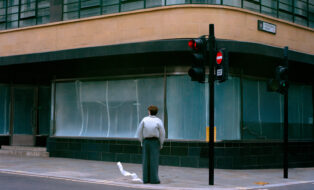
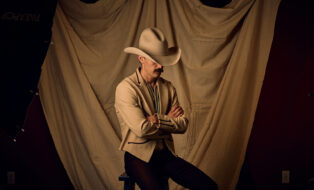
Tom Barreto is a Brazilian photographer and director whose work balances technical precision with emotional sensitivity. Born in Taubaté and now based in São Paulo, he has built a career spanning fashion, beauty, advertising, and personal projects, creating images defined by choreographed light, atmosphere, and a deep sense of humanity.
His portfolio includes campaigns for Dior Beauty, Fendi, Arezzo, and Bvlgari, alongside collaborations with artists such as IZA, Fernanda Torres, and Marina Ruy Barbosa. His work has appeared in global publications including Glamour, Harper’s Bazaar, Marie Claire, and Numéro Netherlands.
Tom’s practice goes beyond creating imagery. At its core is a philosophy rooted in observation: of people, of everyday life, and of the quiet tensions that exist beneath the surface. It’s this mindset that shapes how he approaches storytelling, navigates uncertainty, and maintains a consistent visual language across analog and digital workflows.
In our chat below, Tom reflects on why observation is a photographer’s most valuable material, how he trains his eye away from the camera, and what keeps him grounded when the industry feels unstable. He also shares insights into his creative process, the role of controlled chaos in his work, and how tools like Capture One support collaboration and decision-making on set.
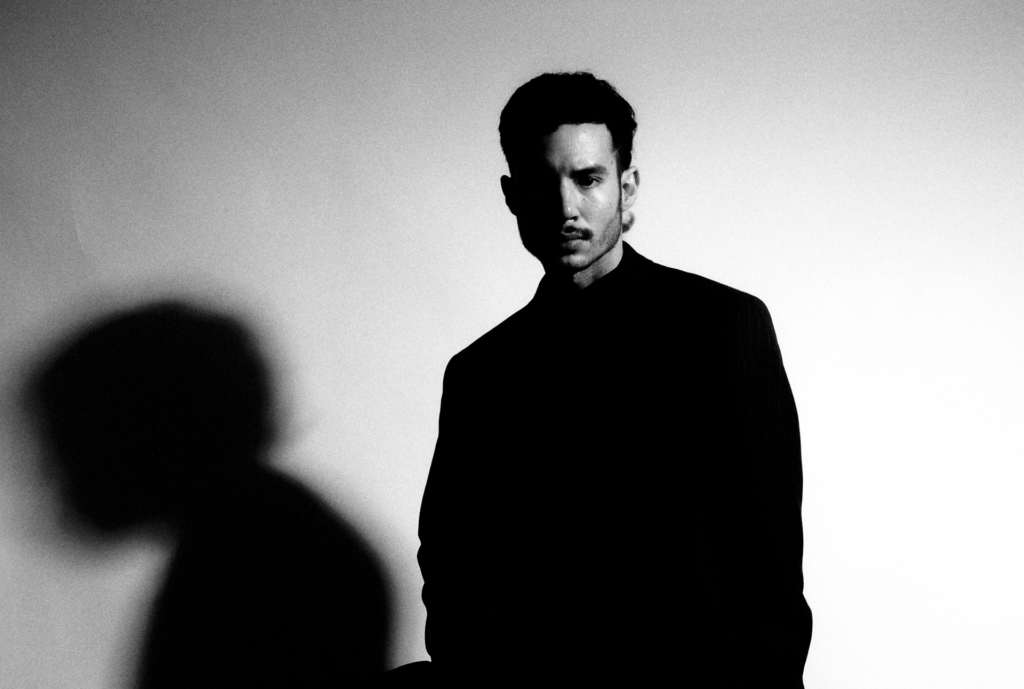
What did you mean by “the photographer’s greatest material is observation”?
I believe a photographer is, above all, a professional observer. Our work is to observe the world, people, and everything around us. To be present and to notice details in both the beautiful stories and the difficult ones. That’s why I say this: as long as we stay attentive and observant, we’re being nourished by the greatest material possible, which is life itself.
How do you train your eye when you’re not holding a camera?
For me, the best way is simply to exist in daily life: talking to people, listening to their stories, going to museums, connecting what I see there with what I see on the streets, and above all, paying attention. Being present is already a constant exercise.
But my eyes are also shaped by the people around me. My friends are with me in every moment, sharing references, stories, doubts, and discoveries. They constantly expand my perception through conversations, exchanges, and shared experiences. It wouldn’t be possible to train my eye without this network of support, both my family and chosen family. Photographers and artists like Gabi Lisboa, Diego Rodrigues, Mateus Aguiar, Tauna Sofia, Wendy Andrade, Mar Vin, Clara Lobo, KAO, Carlos Queirozi, Arthur Bellini, and Julio Nery, among many others, are part of this daily dialogue that keeps my vision alive.
What keeps you going when photography feels uncertain or challenging?
My family’s support, and something inside me that has moved me since childhood. I come from an artistic family that, for socioeconomic reasons, couldn’t fully live from their art. That “artistic blood” guides me. I’ve had privileges my parents and grandparents didn’t, and I stay true to this path because, in a way, I’m accomplishing something past generations couldn’t.
But there’s also my chosen family. My friends in São Paulo became my home away from home. Without them, very little of what I’ve built would. It has been possible. They inspire me daily, challenge me, hold me when things feel uncertain, and remind me why I create in the first place. This combination of blood and chosen family is what keeps me moving forward.
Being from Brazil, does that show in your work as an artist?
I believe it does. It appears in my habit of mixing mediums and formats, and in finding beauty where it traditionally isn’t seen. That, to me, connects directly with Brazil — a place where cultural diversity is one of our greatest strengths.
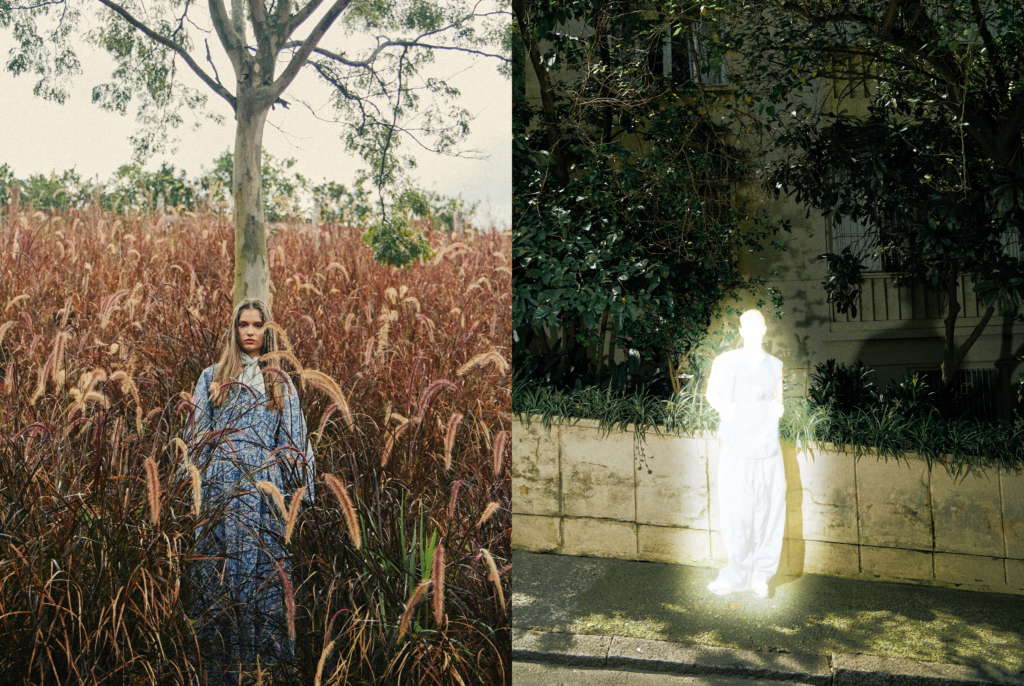
What makes an image feel like visual storytelling rather than just a nice photo?
This sense of “delicate and deep” that I seek. The surface might feel aesthetic, but it’s in the layers of interpretation that the image becomes more than just a photo — it becomes a record of life, something that resonates beyond the first glance.
Working with both analog and digital, how do you maintain consistency in your style?
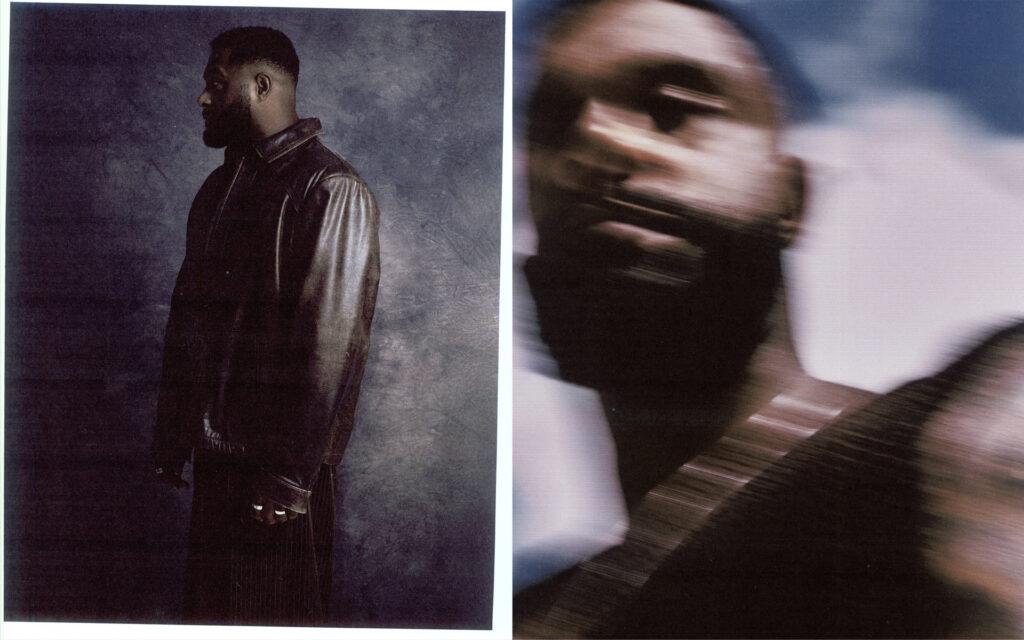
My style comes from playing with discomfort and controlled chaos. I think of my art as a sandbox with specific toys: inside it, there’s room to experiment and to lose control with intention. The consistency is the boundary of the sandbox — the freedom happens within it.
How do you know when a photo is finished?
Honestly, I don’t. There’s always another possible path, even when it feels complete. To me, a photo is never fully finished; we simply decide where to stop so the work can exist in the world.
How does Capture One help you and your team?
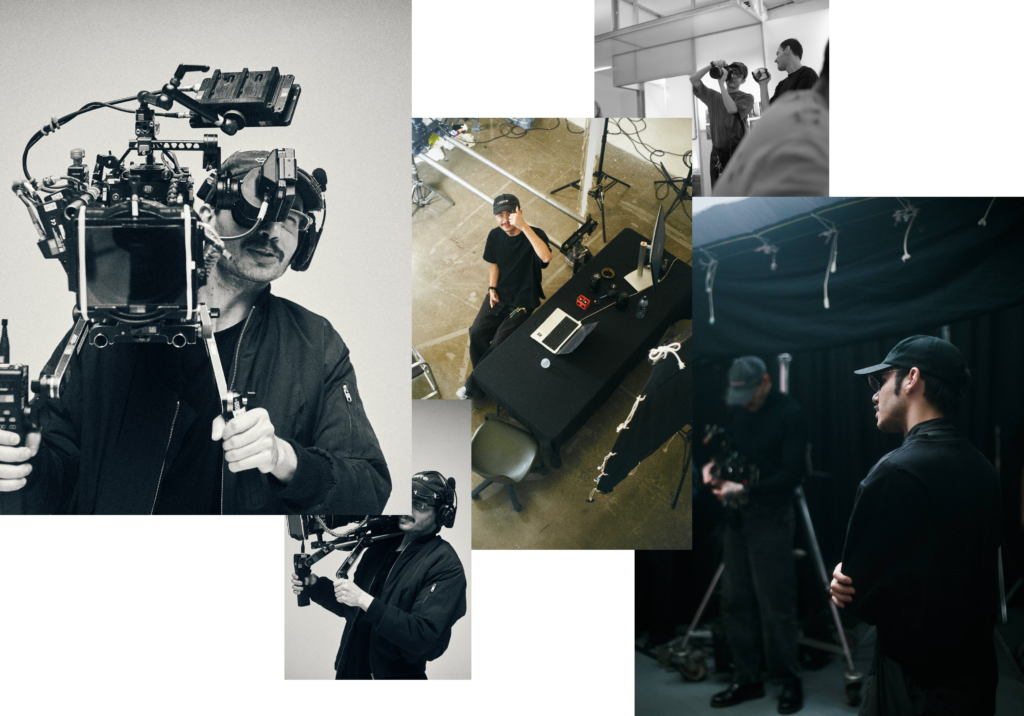
With exceptional speed, simultaneous viewing on multiple monitors, and efficient organization of looks directly on set. It also makes marking selections easy. Overall, it’s essential for our workflow — especially for my digital tech, who works beside the client, organizing everything and making post-production smoother.
Which Capture One tools do you use the most and why?
I love working with multiple layers. My color process is literally about mixing layers, adjusting opacity, and watching how they interact. It creates an organic tension in the color-building process. Lately, I’ve also used the AI tools a lot — masks and retouching — which are extremely practical for quick previews and for showing clients where the image can go.
What’s one lesson you wish you had known when you started?
You show up, do the work, and stay true to your eyes and heart. Along the way, you learn to stay attentive to people. To recognize those who genuinely help you grow, who have been there with you, and to grow alongside them. And to remain open to new people whose presence and character feel right. Stay true.
Check out more of Tom’s work on his website and Instagram.
New to Capture One? Try for free for 7 days.